

Dry or dehydrated skin? Take the test
Do you experience tightness, discomfort, or notice a lack of radiance on your face? These symptoms may indicate that your skin is dry or dehydrated, but be careful, dry and dehydrated skin are often confused! In this article, discover how to distinguish between the two, test your skin, and find a Seasonly routine tailored to your skin's needs.
Dry or dehydrated skin: what are the differences?
Dry skin is a skin type
What is it? Dry skin is a permanent characteristic linked to a lack of lipids (fats) in the skin barrier. This condition is genetic and means the skin naturally produces less sebum, making it more vulnerable to external aggressors. It is characterized by a rough texture, a dull appearance, and a permanent feeling of tightness, even after hydration. The skin may also show flaky or cracked areas, especially in winter.
Dehydrated skin is a temporary condition
Unlike dry skin, dehydrated skin is a temporary condition caused by a lack of water in the epidermis. It can affect all skin types, even oily skin, and can be caused by a lack of water, an unsuitable routine (over-drying products), or stress. This condition is characterized by a dull and tired complexion, a feeling of "tightness" after cleansing or in the middle of the day, as well as the appearance of dehydration lines, especially around the eyes.
Dry or dehydrated skin: what are the differences?
Dry skin is a skin type
What is it? Dry skin is a permanent characteristic linked to a lack of lipids (fats) in the skin barrier. This condition is genetic and means the skin naturally produces less sebum, making it more vulnerable to external aggressors. It is characterized by a rough texture, a dull appearance, and a permanent feeling of tightness, even after hydration. The skin may also show flaky or cracked areas, especially in winter.
Dehydrated skin is a temporary condition
Unlike dry skin, dehydrated skin is a temporary condition caused by a lack of water in the epidermis. It can affect all skin types, even oily skin, and can be caused by a lack of water, an unsuitable routine (over-drying products), or stress. This condition is characterized by a dull and tired complexion, a feeling of "tightness" after cleansing or in the middle of the day, as well as the appearance of dehydration lines, especially around the eyes.
THE TEST
What sensation do you feel after cleansing your face?
What sensation do you feel after cleansing your face?
- a) My skin feels tight, rough, and uncomfortable.
- b) It feels slightly tight but becomes comfortable after applying a moisturizing treatment.
- c) No particular sensation.
How would you describe your skin's appearance?
- a) It is often rough and has patches or small flakes, especially in winter.
- b) My complexion is dull and tired, sometimes marked by small fine lines.
- c) It generally seems balanced.
Do you have oily areas (forehead, nose, chin)?
- a) Never, my skin is dry everywhere.
- b) Yes, but it varies from day to day: my skin sometimes seems oily but also feels tight.
- c) Yes, I often have shine.
How does your skin react to climatic changes?
- a) Cold or wind significantly increase tightness and redness.
- b) Extreme climates (cold, sun, air conditioning) temporarily dry out my skin.
- c) My skin adapts quite well.
When you apply a cream or oil, what happens?
- a) My skin absorbs everything, and it quickly feels comfortable.
- b) I need light, moisturizing products to prevent it from becoming sticky.
- c) My skin doesn't react particularly; it remains balanced and comfortable without needing many products.
What are your main skin concerns?
- a) Dry, rough, uncomfortable areas to the touch.
- b) Dull complexion, fine lines, and occasional tightness.
- c) Some shine or imperfections from time to time.
Results?
Mostly A: You have dry skin.
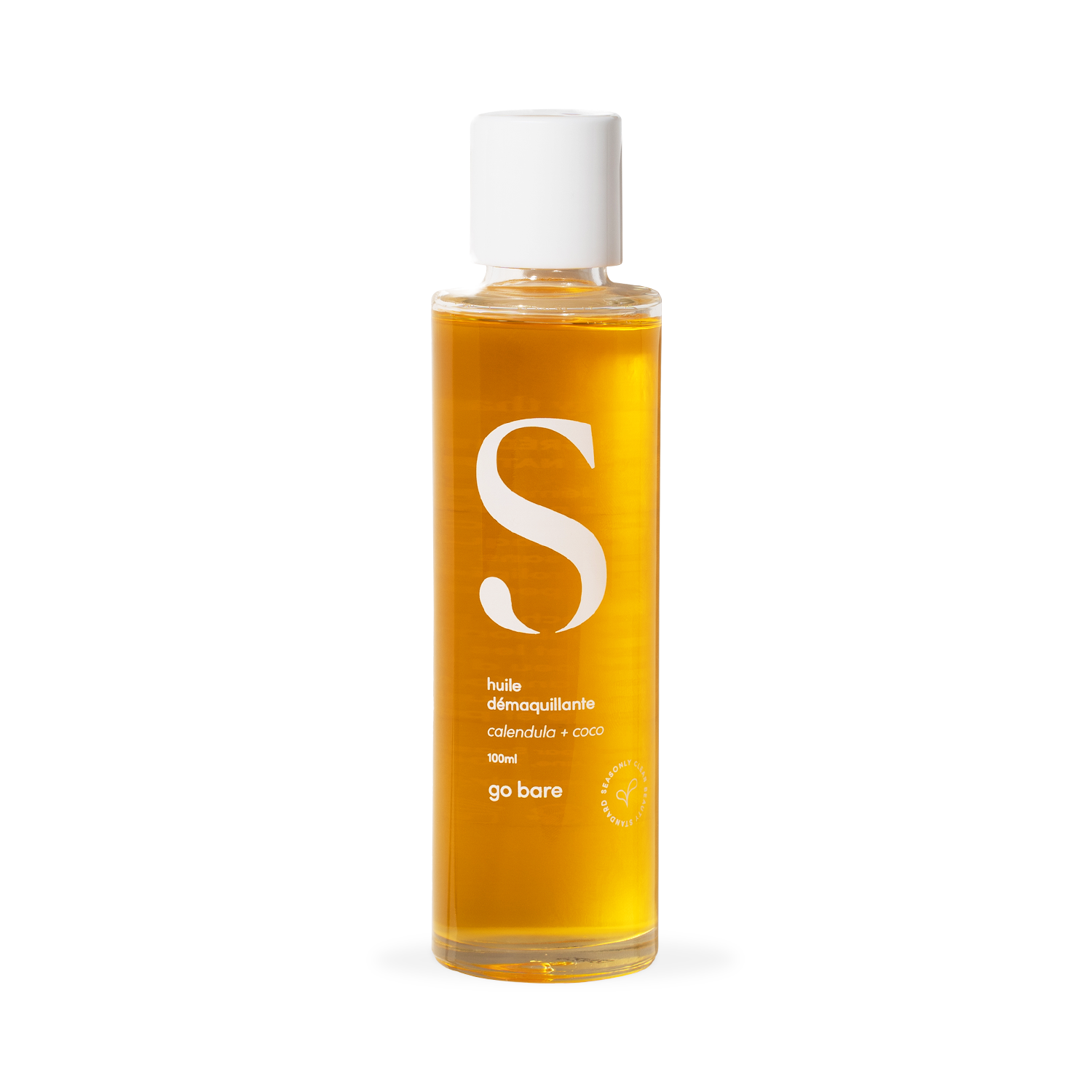
Your skin lacks lipids, which affects the skin barrier and causes constant tightness. For you, it is essential to nourish your skin with products rich in plant oils and nourishing agents, such as Cleansing Oil, TensioLift Cream and Seasonly Night Oil.
Mostly B: You have dehydrated skin.
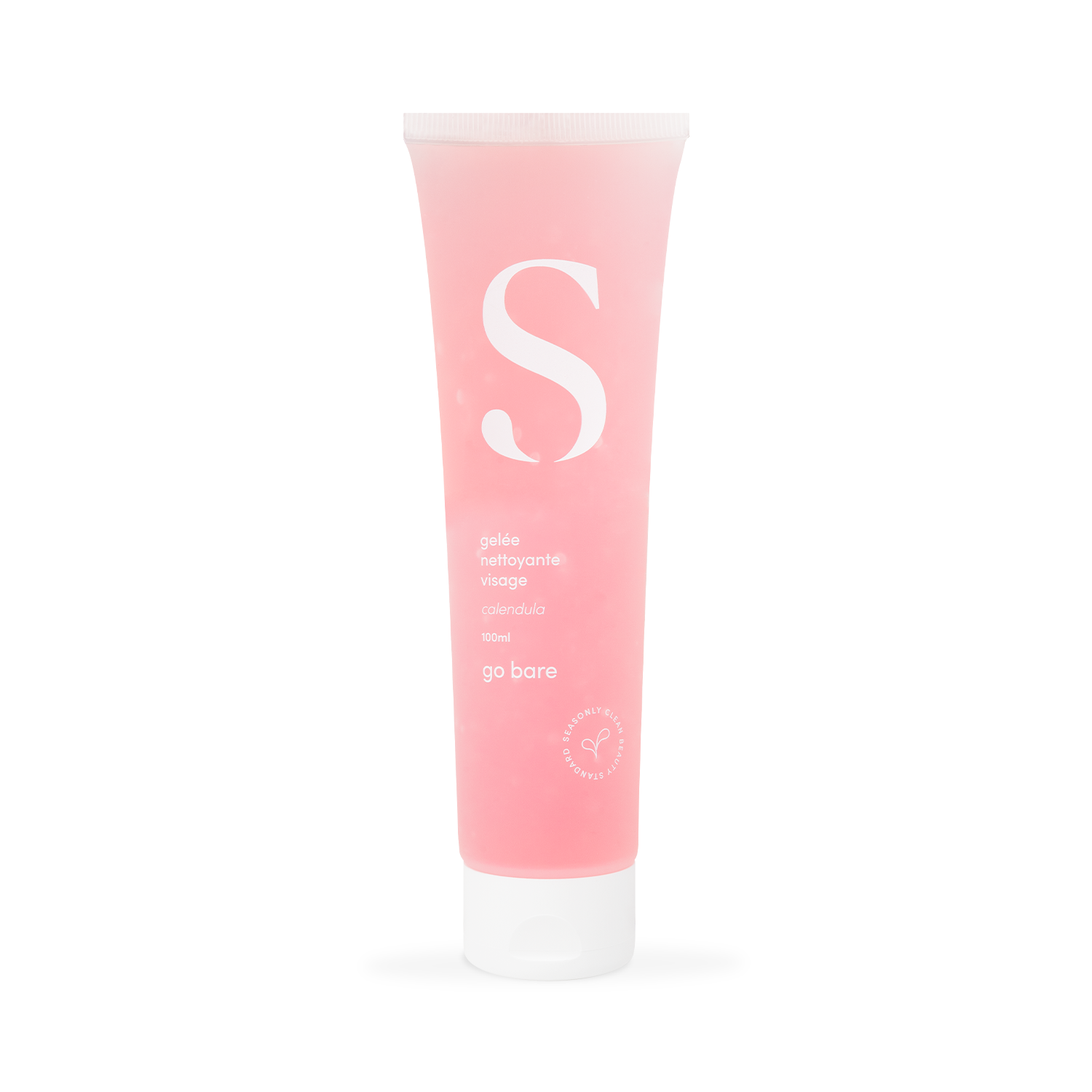
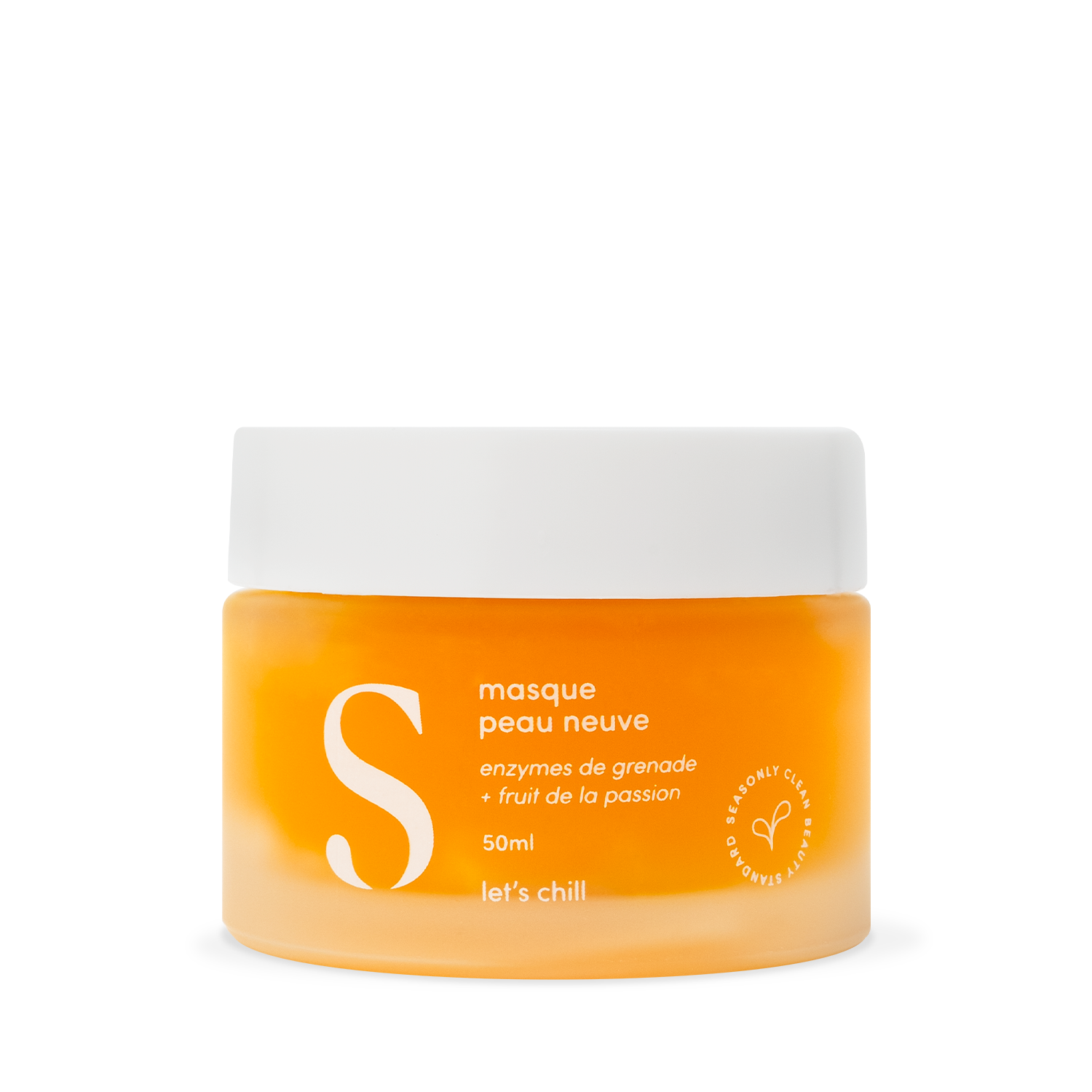
Your skin lacks water, but it can be combination or oily on the surface. Focus on light moisturizing treatments such as the Cleansing Jelly, the Rehydrating Mask and the TensioLift Serum, which will restore its radiance and comfort.
Mostly C: Your skin appears balanced.
Congratulations, your skin does not suffer from major dryness or dehydration. Adopt a maintenance routine with skincare products adapted to your skin type to maintain this balance.
The key to healthy skin begins with a routine adapted to its specific needs. Whether your skin lacks lipids (dry) or water (dehydrated), choosing the right products is essential to restore its comfort and radiance. With Seasonly, discover clean, natural, and effective skincare products, designed to meet your skin's unique needs.
Mostly A: You have dry skin.
Your skin lacks lipids, which affects the skin barrier and causes constant tightness. For you, it is essential to nourish your skin with products rich in plant oils and nourishing agents, such as Cleansing Oil, TensioLift Cream and Seasonly Night Oil.
Mostly B: You have dehydrated skin.
Your skin lacks water, but it can be combination or oily on the surface. Focus on light moisturizing treatments such as the Cleansing Jelly, the Rehydrating Mask and the TensioLift Serum, which will restore its radiance and comfort.
Mostly C: Your skin appears balanced.
Congratulations, your skin does not suffer from major dryness or dehydration. Adopt a maintenance routine with skincare products adapted to your skin type to maintain this balance.
The key to healthy skin begins with a routine adapted to its specific needs. Whether your skin lacks lipids (dry) or water (dehydrated), choosing the right products is essential to restore its comfort and radiance. With Seasonly, discover clean, natural, and effective skincare products, designed to meet your skin's unique needs.
To go further, here are two simple steps to determine if your skin is dry or dehydrated.
The pinch test:
Gently pinch the skin on your cheek between two fingers.
If fine lines appear and the skin remains marked, your skin is probably dehydrated.
If it doesn't bounce back and appears rough or flaky, it is probably dry.
Analysis of how your skin feels after showering:
If your skin feels tight immediately, uncomfortable, and shows rough areas, it is dry.
If the feeling of tightness disappears after applying a moisturizing treatment, it is probably dehydrated.
The newspaper
RSS
Double Cleansing: The Game-Changing Back-to-School Ritual
Some actions are considered secondary until they become essential. Double cleansing is one of them. Inspired by Asian routines, it is now adopted by all...

Poolside Skin: keeping your summer glow into fall
When the glow extends summer Back to school is here. Your vacation is fading, but on your skin, summer can still last. That's the...